

Poland’s Rail Boom Breaks Records as Modern Trains, Affordable Fares and New Stations Attract Passengers
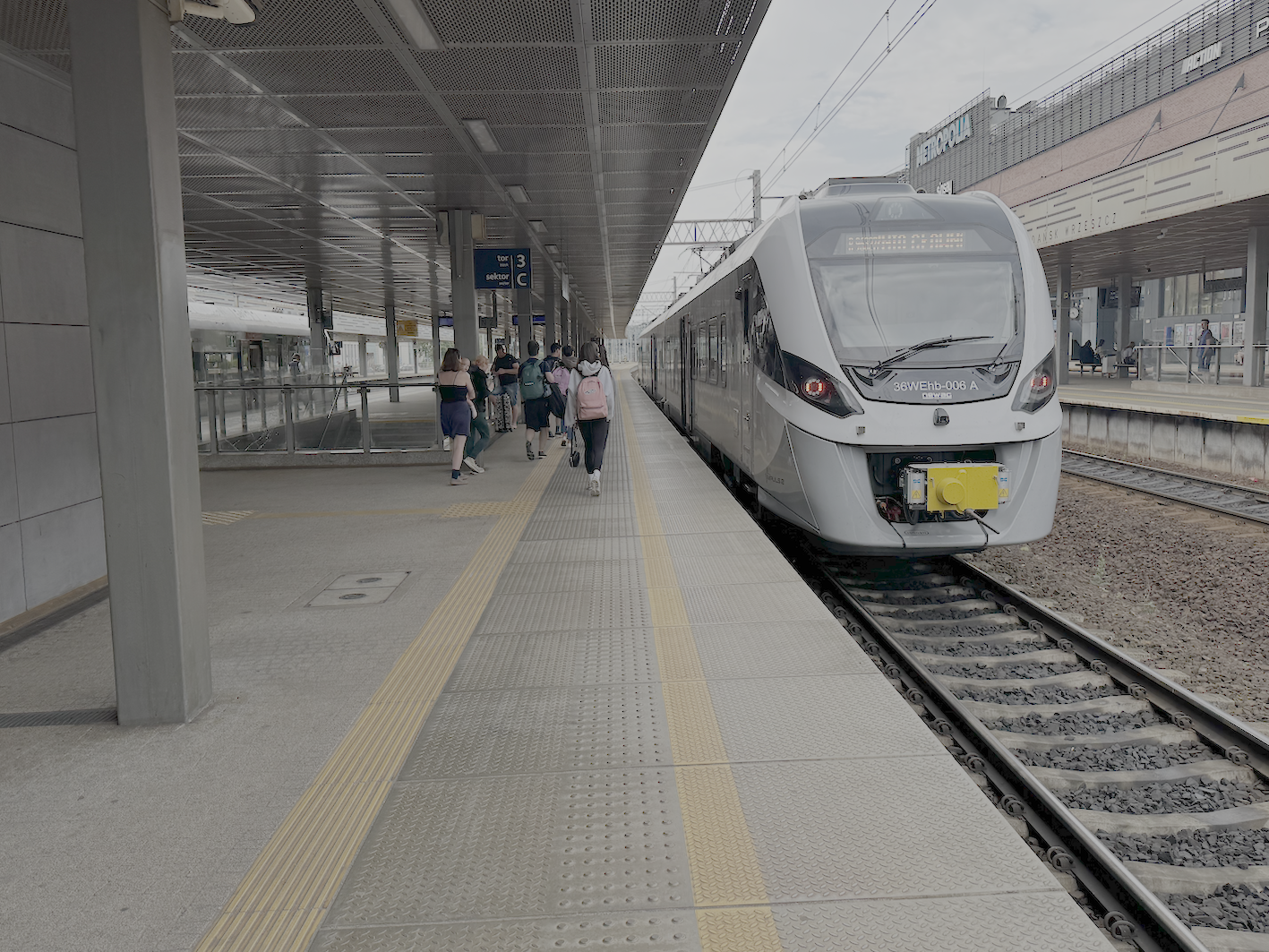
Poland’s railways recorded more than 311 million passenger journeys between January and August 2026, almost 9 per cent more than a year earlier. The growth extends well beyond the big cities, with new stations being built and passenger services returning to towns that lost their trains decades ago.
Poles have rediscovered rail travel. In 2025, the country’s railways carried passengers on approximately 439 million journeys, the highest figure in three decades. The numbers for 2026 suggest that growth is accelerating.
In May, Poland’s trains carried 41.4 million passengers, an increase of 10.6 per cent on the previous year and a monthly record in the statistics compiled by the country’s railway regulator, UTK. Passenger-kilometres rose by 10.4 per cent over the same period, while train traffic increased by 6.8 per cent.
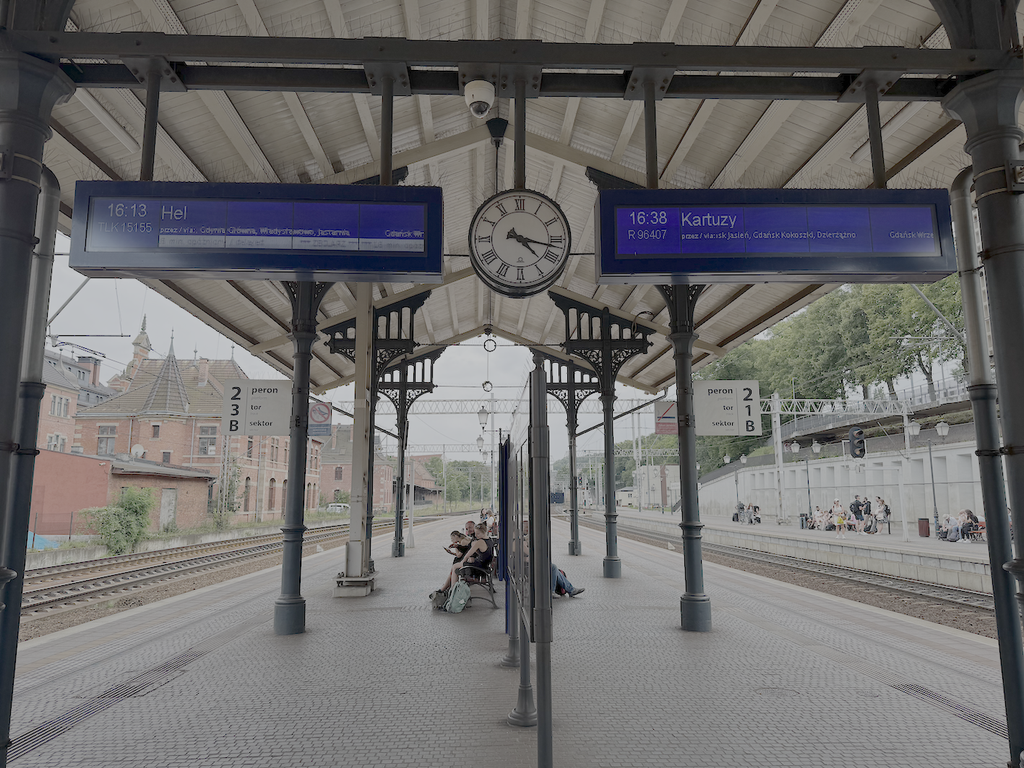
August saw nearly 41.3 million rail journeys, 8 per cent more than in August 2025. Measured in passenger-kilometres, it was the strongest month in UTK’s statistical history.
Between January and August 2026, Poland recorded a total of 311.1 million rail journeys. That was almost 25 million more than in the corresponding period a year earlier, an increase of 8.7 per cent.
The growth is also geographically widespread. In the second quarter, passenger numbers increased in 15 of Poland’s 16 voivodeships, or provinces. A total of 119.4 million rail journeys were made during the quarter, up 9.6 per cent year on year. It was the strongest quarter in a statistical series dating back to at least 2012.
Long-distance rail travel is growing particularly fast
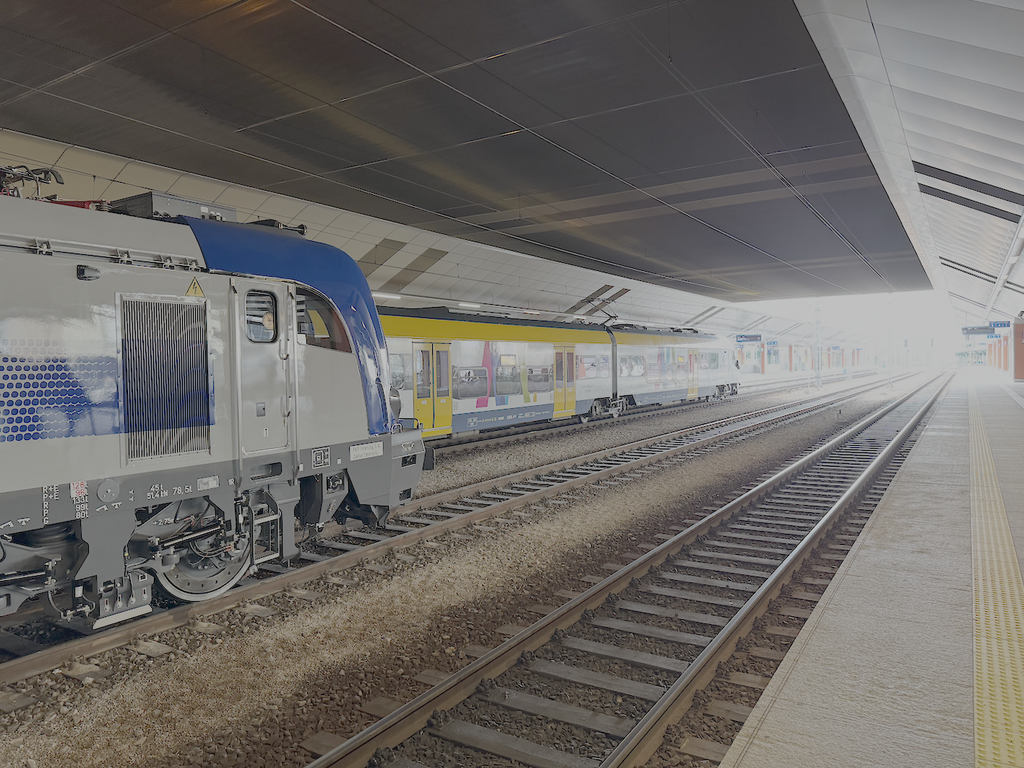
National operator PKP Intercity carried a record 44.7 million passengers during the first half of the year. This marks a second consecutive year of strong growth for the company, whose trains recorded approximately 83 million journeys in 2025.
Regional rail travel is also expanding. Local and commuter trains are often new or refurbished, clean and easy to use. Poland’s extensive railway network connects not only the major cities, but also medium-sized towns and smaller communities on a scale that Finland, with its longer distances and sparse population, cannot match.
The comfort of Poland’s long-distance trains may come as a surprise to Finnish travellers. Much of the rolling stock is modern or thoroughly refurbished, and connections between Warsaw, Kraków, Gdańsk, Wrocław, Poznań and other centres are comprehensive.
Alongside the Express InterCity Premium services operated with Pendolino trains, Poland offers high-quality Express InterCity services, regular InterCity trains and cheaper TLK long-distance services. Standards vary more on the latter, but the overall experience is considerably more modern than the Polish railways’ old reputation might suggest.
Poland’s principal long-distance train categories are:
- EIP, Express InterCity Premium: The fastest and highest-standard long-distance service, operated using Pendolino trains.
- EIC, Express InterCity: Fast, high-quality long-distance trains, but without Pendolino rolling stock.
- IC, InterCity: PKP Intercity’s standard long-distance service, using either locomotive-hauled carriages or modern electric multiple units.
- TLK, Twoje Linie Kolejowe: Roughly translated as “Your Railway Lines”. PKP Intercity’s more affordable basic long-distance service, generally using older rolling stock, slower connections and offering fewer amenities.
My own experience provides a good illustration of the standard of service.

I thought I had bought an entirely ordinary train ticket from Kraków to Gdańsk. Then the conductor appeared with a bottle of water, a chocolate bar and a small bottle of apple juice. Apparently, these were included in my ticket or travel class, without any separate order.
From a Finnish perspective, the journey was reasonably priced, the train was modern, indeed more impressive than those in Finland, and the service was almost bewilderingly attentive.
One journey, of course, cannot represent every train or ticket category.
The local trains from Gdańsk to the Hel Peninsula, or on shorter journeys to Sopot and Gdynia, were also clean, although naturally more basic than the impressive long-distance train.
Nevertheless, my experience suggests that Poland’s railways are investing in passenger comfort and service as well as affordable fares and an extensive network.
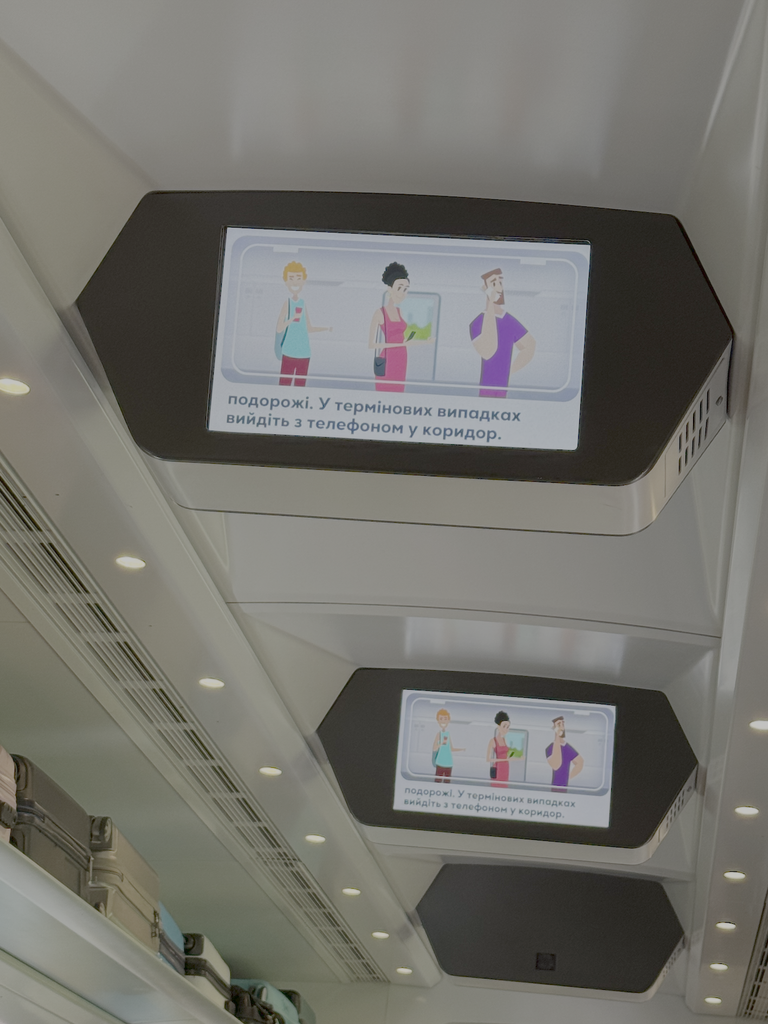
An occasional visitor might otherwise barely notice the roughly one million Ukrainians living in Poland. Yet on a long train journey, the video screens mounted in the ceiling above the carriage aisle occasionally showed passenger information films in Ukrainian.
New stations and the return of abandoned rail connections
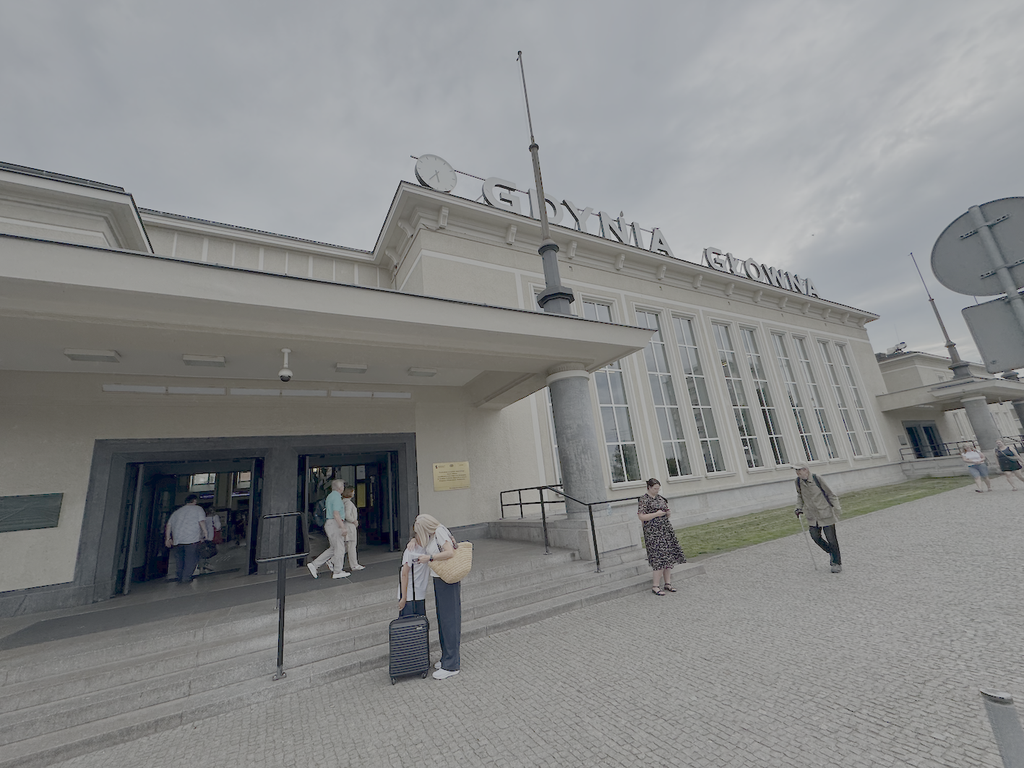
Poland is responding to growing passenger numbers by building new stations and stops and refurbishing existing ones.
PKP’s Dworce Przyjazne Pasażerom, or Passenger-Friendly Stations programme, covers 181 stations. Funding has already been secured for 106 projects.
The programme includes the comprehensive renovation of old stations, entirely new buildings and smaller improvements to passenger facilities.
The total planned investment amounts to 2.6 billion złoty, approximately €610 million.
One of the most striking examples is Łomża.
The city regained passenger rail services in 2026 after a remarkable 33-year absence.
Nine pairs of trains now operate daily, providing connections to destinations including Białystok, Ostrołęka and Olsztyn.
A new station building is expected to be completed in the second quarter of 2028. It will include a heated and air-conditioned waiting room and a covered outdoor waiting area.
Passenger services are also returning to the Świętokrzyskie region after more than 25 years, connecting Kielce, Chmielnik, Staszów and Połaniec.
During 2026, six new stops are being built and platforms at three existing stations refurbished.
The project, costing approximately 30 million złoty (€6.9 million), will locate stops close to residential areas and transport connections. Facilities will include shelters, benches, bicycle parking, lighting and accessible routes.
On the 64-kilometre railway between Skierniewice and Czachówek, three stations are being refurbished and six former passenger stops brought back into use.
The project also includes renewing tracks, points, electrification and dozens of bridges and other structures.
Poland is seeking to reconnect communities that have fallen off the railway map, bringing passenger trains back to places that lost them decades ago.
Rapid growth has also created problems
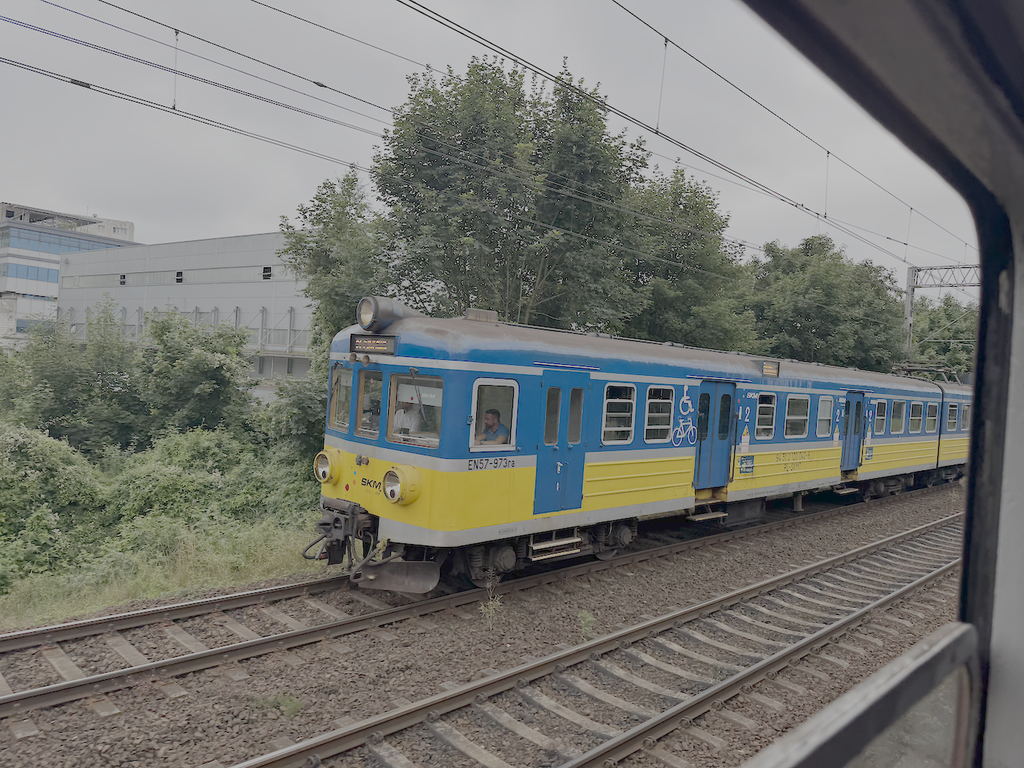
Comfortable trains and modern rolling stock do not mean Poland’s railways operate without difficulties.
Rapidly increasing traffic and extensive construction work are putting pressure on the network.
In the first quarter of 2026, 87.7 per cent of passenger trains arrived at their destinations no more than five minutes and 59 seconds late.
A year earlier, the figure was 92.9 per cent.
Only 64.3 per cent of PKP Intercity’s long-distance trains met that punctuality threshold.
In the second quarter, punctuality across all passenger services improved to 89.3 per cent, although it remained four percentage points below the previous year’s level.
Passenger numbers, services and investment are rising rapidly, and the standard of travel can be excellent. Yet capacity constraints, construction work and delays, particularly on long-distance routes, remain everyday problems.
Even so, rail has become an increasingly attractive alternative to driving and domestic flights for Poles.
And this transformation began long before the current oil-price crisis.
Affordable fares, modernised trains, frequent services and the reconnection of previously isolated communities are reinforcing the growth.
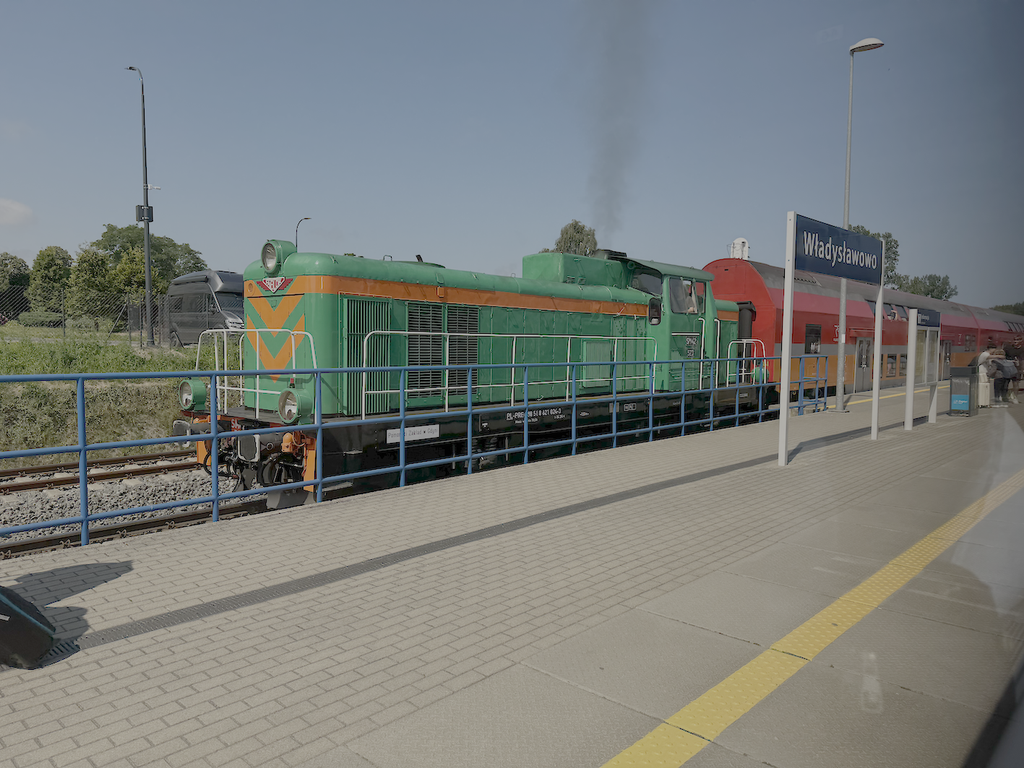
Poland is once again building its railways into the backbone of national passenger transport, much as in the late nineteenth century, when Finland and much of what is now Poland belonged to the same Russian Empire under the Tsar.
Read More:
- Urząd Transportu Kolejowego / Rynek Kolejowy: Rekordowy maj na kolei w Polsce. Ponad 41 mln pasażerów
- Urząd Transportu Kolejowego / Rynek Kolejowy: Ponad 41 mln pasażerów kolei w sierpniu
- Urząd Transportu Kolejowego / Rynek Kolejowy: Kolej pasażerska w województwach. Mazowsze liderem, kto zamyka stawkę?
- Urząd Transportu Kolejowego: Punktualność pociągów w I kwartale 2026 roku
- Urząd Transportu Kolejowego: Punktualność przewozów pasażerskich
- PKP S.A.: #NaszaKolej z Grupą PKP
- PKP S.A.: Pieniądz podąża za pasażerem na dworcach PKP
- Podlaski Urząd Wojewódzki w Białymstoku: Nowy dworzec kolejowy w Łomży ma być gotowy w II kwartale 2028 roku
- PKP Polskie Linie Kolejowe S.A.: Świętokrzyskie: Nowe przystanki przywrócą kolej na południu województwa
- Ministerstwo Infrastruktury: Wróci kolejowy ruch pasażerski między Skierniewicami a Czachówkiem
Leave a Reply