

Apple Diplomacy in Helsinki: Poland Builds Europe’s Apple Powerhouse
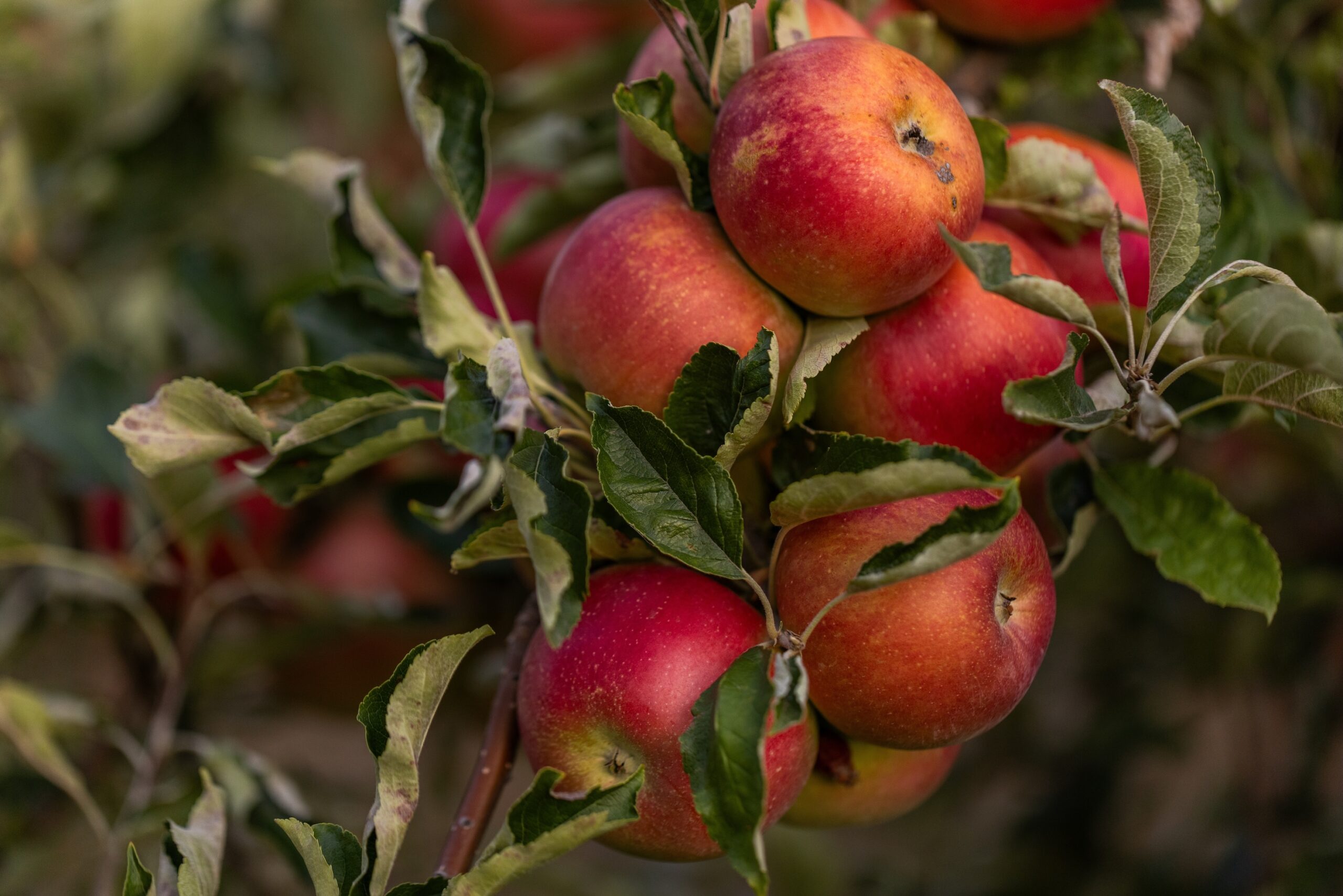
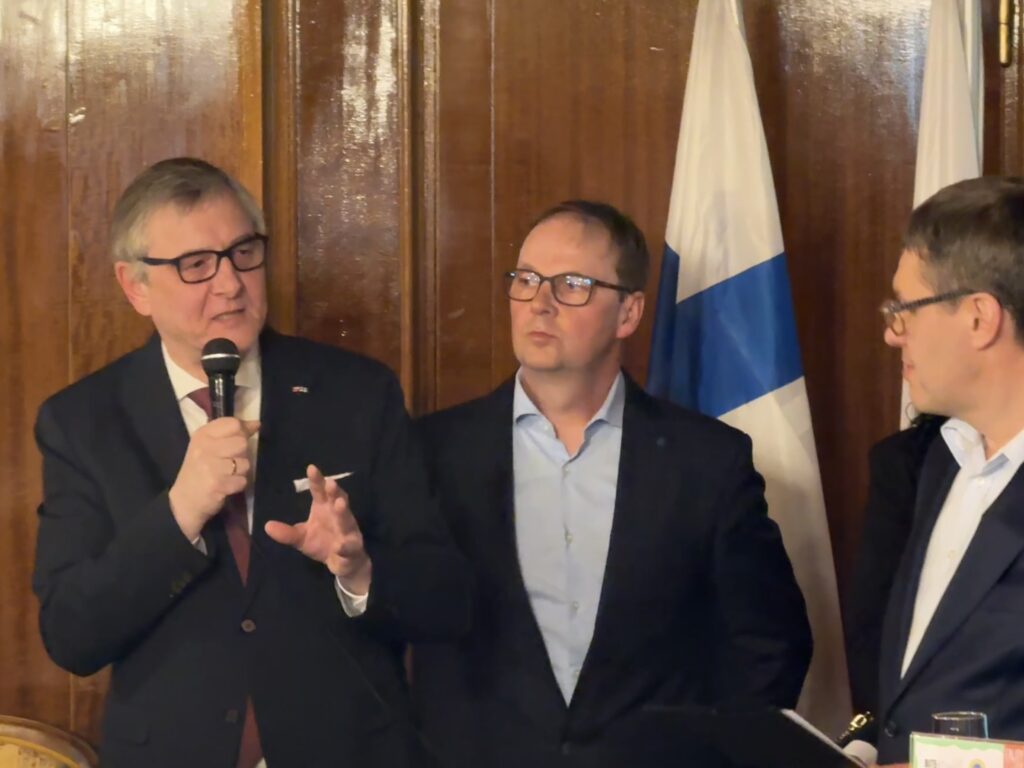
The Polish producers’ association Sady Grójeckie hosted a business networking reception at the residence of the Polish Ambassador in Kulosaari, Helsinki, on Thursday, 23 April. The event brought together industry stakeholders and highlighted the role of the Polish apple both as an export commodity and as a cultural symbol. In 2014, amid a trade war, the apple also became a political symbol under the slogan “Eat an apple to annoy Putin.”
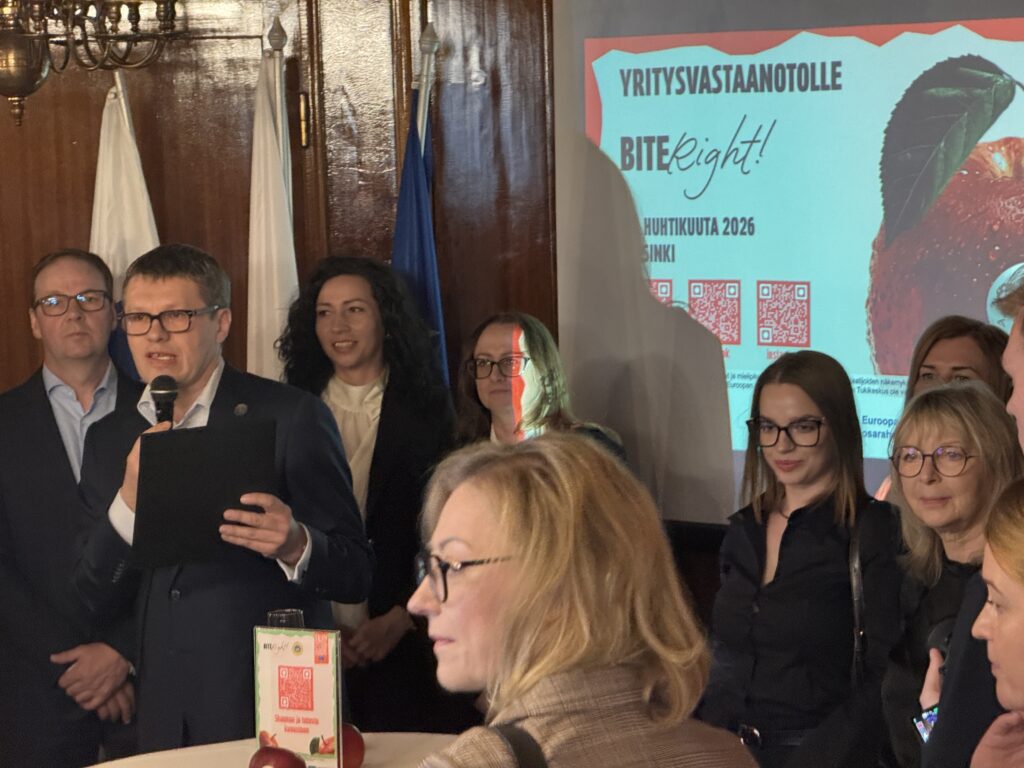
Around one-third of EU apple exports originate from Poland. Poland’s administrative structure provides a useful context for understanding its apple sector. The country is divided into voivodeships, its largest regional administrative units. The term dates back to the Middle Ages, when voivodes served as vassals to ruling monarchs. Today, a voivodeship corresponds broadly to a province or region and is further divided into counties and municipalities. Many of Poland’s key apple-growing areas are located within these regions, particularly Mazovia and Lublin.
Poland Produces One Third of the EU’s Apples
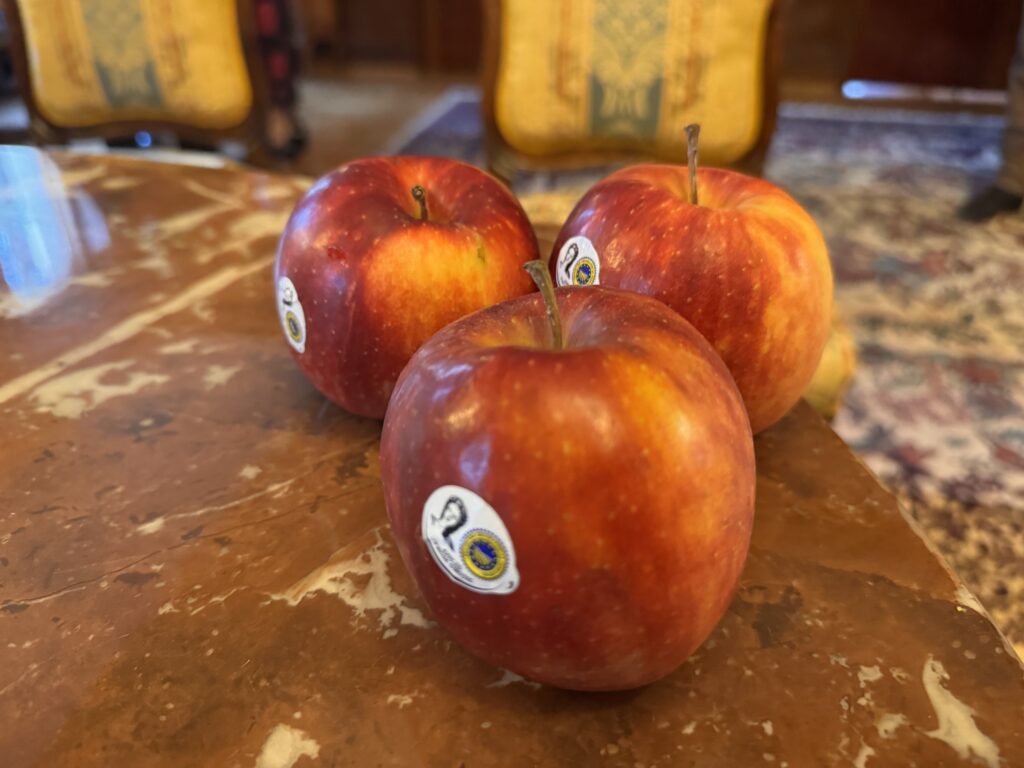
The core of Polish apple production lies in the Mazovian Voivodeship, especially around Grójec, often described as the largest apple orchard in Europe. The Sady Grójeckie association represents this region, and its members produce PGI-certified Jabłko Grójeckie apples.
Annual production ranges between 3 and 4.5 million tonnes. Poland frequently accounts for close to one-third of total EU apple output. Key varieties include Idared, Jonagold, Szampion and Gala. A significant share of the harvest is processed into juice, cider, dried products and ingredients for the food industry.
Juice to Asia, Fresh Apples to Europe

A large proportion of Polish apples is exported, either fresh or processed. Poland ranks among the world’s leading producers of apple concentrate and juice. Part of the crop is also turned into cider, dried goods and industrial food inputs.
Core export markets include Germany, other EU countries, and increasingly Asia and the Middle East. Russia’s 2014 import ban forced the sector to restructure and diversify its export base.
Poland exports apples and apple products to Finland, particularly during the harvest season. It is one of Finland’s key import sources alongside Italy and France.
EU funding drives modernisation
Poland’s apple sector has benefited significantly from EU agricultural policy, which has financed modernisation, logistics and export development. This has enabled a transition from small-scale farming to an efficient, internationally competitive production model. Visitors to Poland quickly notice the scale and modernity of its agriculture. EU funding is visible across machinery, infrastructure and farm buildings. The contrast with Finland is striking, often in Poland’s favour.
“Eat an Apple to Annoy Putin”
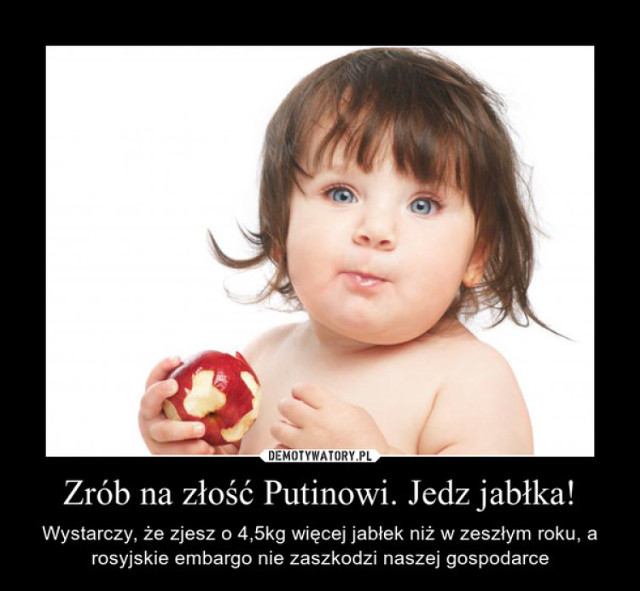
Apples hold a strong place in Polish culinary culture and history. Szarlotka, the traditional apple pie, remains one of the country’s best-known desserts. Apples are widely used in both sweet and savoury dishes and in beverages. At the ambassador’s reception in Helsinki, apples featured across the menu, including in savoury dishes.
The roots of apple cultivation in Poland stretch back to the Middle Ages, and the fruit carries symbolic associations with fertility and prosperity.
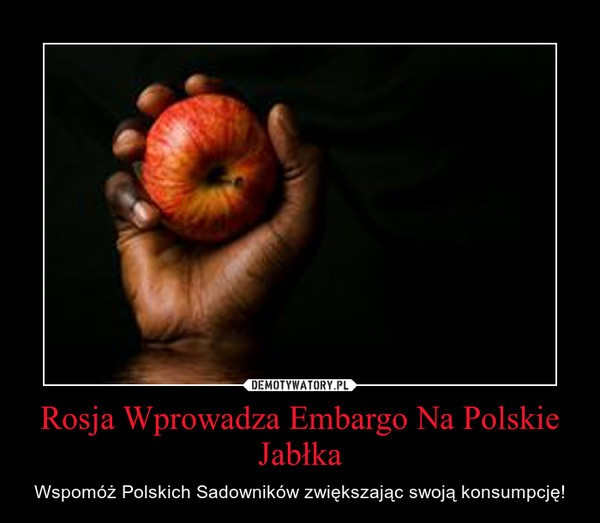
Over the past decade, apple has also taken on a unique political and identity-driven role. In 2014, Russia imposed a ban on food imports from the EU in response to sanctions linked to the Ukraine crisis. Poland was among the hardest hit, as a large share of its apple exports had previously gone to Russia.
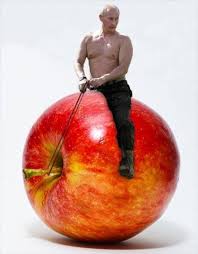
The response was rapid and widely mobilising. A social media campaign under the slogan “Jedz jabłka na złość Putinowi” – “Eat an apple to annoy Putin” – spread quickly. It became a viral movement involving ordinary consumers, politicians and public figures. Eating apples turned into a symbolic act of support for domestic agriculture and resistance to Russian pressure.
The Polish government and industry actors actively reinforced the message. Apples were distributed at public events, in schools and through campaigns, promoted as a national product whose consumption carried both economic and political meaning. At the same time, export campaigns targeted new markets in Asia, the Middle East and Africa.
Estimates suggest that domestic apple consumption rose noticeably in the short term, helping to cushion the impact of the export shock. More importantly, the symbolic dimension proved powerful. The apple became an accessible, everyday tool for expressing national unity.
Part of Active Economic Diplomacy
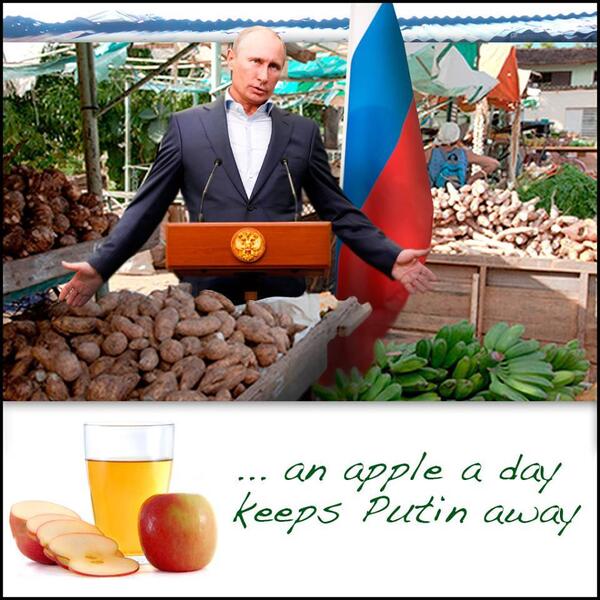
Poland’s apple sector is a central pillar of its agriculture and export economy. It supports a wide employment base and is closely linked to industry, logistics and international trade.
The reception in Helsinki served as a reminder that the Polish apple is not just an agricultural product. It is part of an active form of economic diplomacy, where exports, branding and culture move together.
Lue lisää:
- Eurostat: Apples production statistics in the EU
- European Commission: Fruit and vegetables sector in Poland
- FAO: Apple production global statistics (FAOSTAT database)
- Statistics Poland (GUS): Fruit production reports
- Natural Resources Institute Finland (Luke): Omenatuonnin tilastot (in Finnish)
- BBC News: Polish people urged to eat apples “to annoy Putin”
- The Guardian: Poles urged to eat apples to hit back at Russian embargo
- Yle Uutiset: Puolalaiset kehottavat syömään omenoita Putinin kiusaksi (in Finnish)
- European Commission: Russian import ban on EU agricultural products
- FAO: Food trade and market responses to sanctions and embargoes
Leave a Reply